Freedom Fuel station opens at Harper Avenue and Cadieux with regular gas at $3.47, about 65 cents below Metro Detroit average
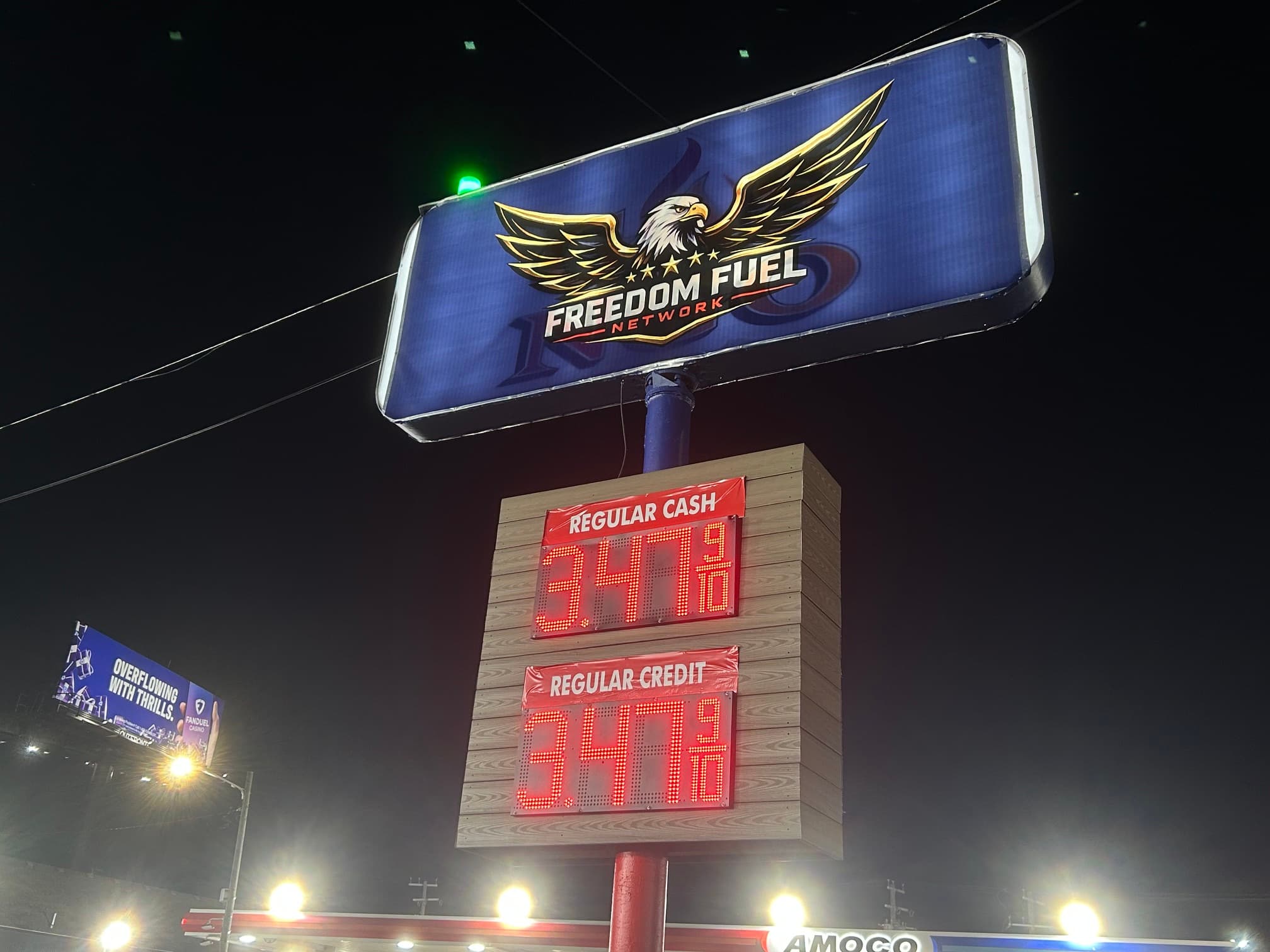
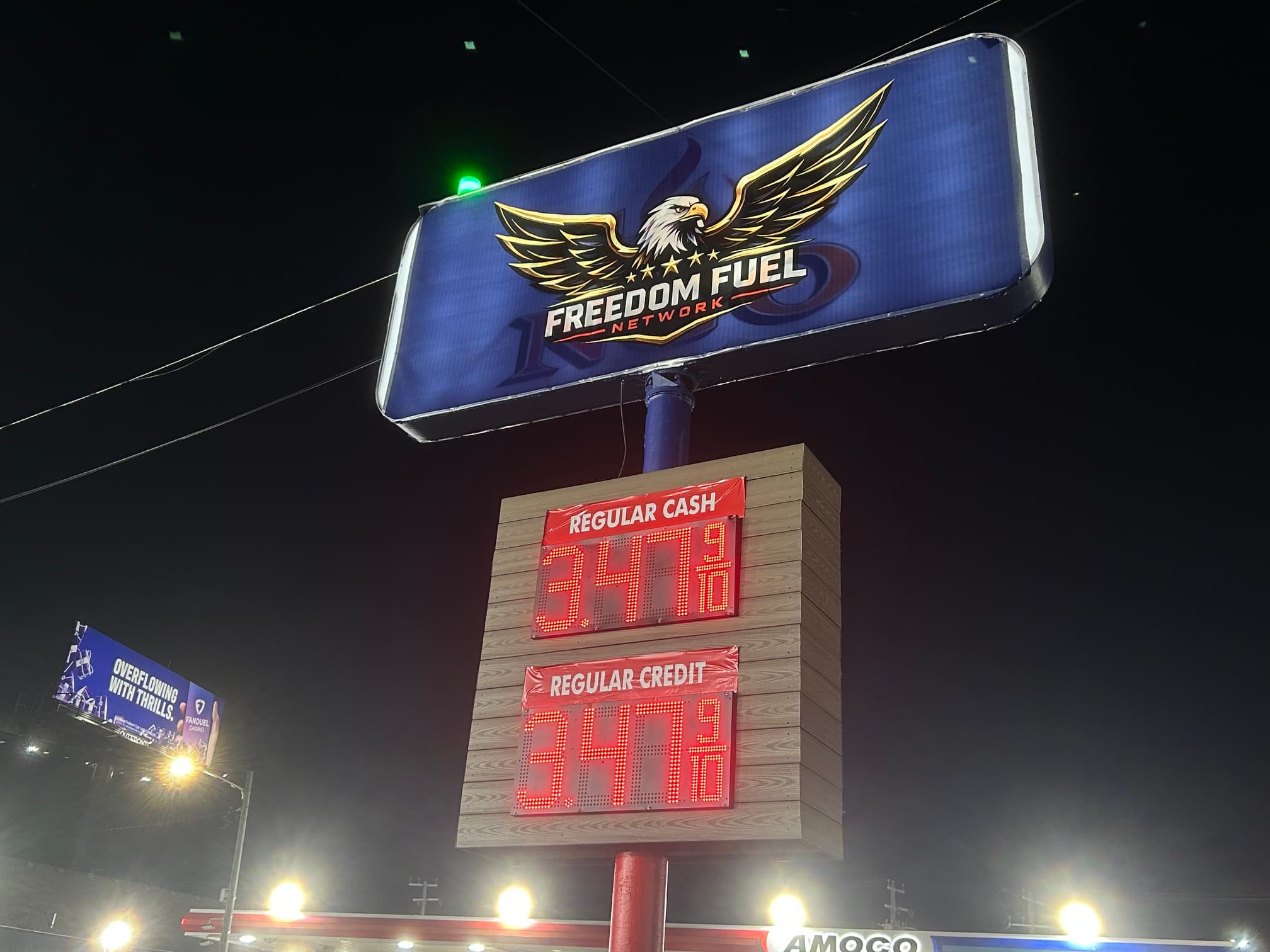
A Freedom Fuel Network station opened at 17046 Harper Ave. on Detroit’s east side this week, advertising regular gasoline for $3.47 a gallon in red, white, and blue signage that ties the price to President Donald Trump being the 47th president.
The price is roughly 65 cents below the Metro Detroit average of $4.12 reported Wednesday by AAA. It is also below nearby competitors at the Cadieux and Harper intersection, where three other stations were selling regular gas for $4.10 a gallon.
Freedom Fuel describes itself as a privately owned network of independent stations responding to Trump’s call for lower prices. The company did not provide a detailed explanation of how its stations can consistently sell fuel below nearby competitors.
The Detroit station appeared before Freedom Fuel’s website reflected the opening. As of Wednesday, the site still listed 29 locations, all in Pennsylvania and New Jersey, and did not include the Harper Avenue address. No other Freedom Fuel locations in Michigan were identified.
The network drew national attention around the Fourth of July after Trump promoted 25 participating stations in the Philadelphia area that had lowered regular gas prices to $3.47.
“This Retailer is taking the lead, and others should follow,” Trump wrote in a July 1 Truth Social post. “They are doing this because they love the U.S.A.”
The White House followed with a promotional video filmed at one of the stations.
Freedom Fuel’s website says the original participating stations saw average sales volume increases of more than 50%, with some stations more than doubling their volume.
Industry officials have questioned whether that price can be maintained without losses.
Jeff Lenard, a spokesperson for the National Association of Convenience Stores, told the Associated Press that the original $3.47 promotion probably meant stations were selling gasoline at a loss. He said gas retailers sometimes use short-term discounts as loss leaders to draw customers who also buy higher-margin items such as food, drinks, and cigarettes.
Those promotions typically last hours or days, Lenard said. Prices at several of Freedom Fuel’s original locations rose within weeks.
A federal lawsuit filed last month raises questions about the source of some early discount gasoline.
Georgia-based Mansfield Oil Co. alleges that New Jersey fuel distributor KRSM Inc. and its president, Syed Kazmi, collected nearly 1.125 million gallons of gasoline worth almost $4 million from a Pennsylvania terminal between May 21 and July 7 and never paid for it.
Carrier records show that several hundred thousand gallons were delivered to at least 10 stations advertised as part of the Freedom Fuel Network, according to reporting on the lawsuit.
“KRSM was able to sell such fuel for such low prices and garner such publicity because it never paid plaintiff for such fuel,” Mansfield alleges in its complaint.
KRSM denies wrongdoing. An attorney for Kazmi described the case as an accounting dispute involving fuel invoices that KRSM says were incorrectly priced. Mansfield acknowledged that a data problem delayed its invoices until early July but alleges that KRSM later rejected its attempts to collect payment.
A federal judge has ordered the defendants to maintain $2.75 million in a bank account while the case proceeds. No court has determined that KRSM failed to pay for the gasoline.
Freedom Fuel Network is not a defendant in the lawsuit. The complaint does not identify how much of the disputed fuel went to participating stations, and there is no evidence that any of it reached the new Detroit location.
The network’s ownership remains unclear despite its presidential promotion.
Corporate documents show Freedom Fuel Network was registered in Delaware on June 23. Its paperwork was signed by Randy Brown, a Baltimore Ravens assistant coach and former Republican mayor in New Jersey, and Yoni Gontownik, a former investment director at energy trader Mercuria.
Companies connected to Kazmi and his brother controlled 14 of the network’s original 25 stations.
The Kazmis have faced other disputes in the fuel business. In February, a federal judge ordered companies tied to the brothers to pay more than $600,000 after finding they had unlawfully obtained more than 230,000 gallons of fuel by exploiting a supplier’s security lapse. In another case, a Kazmi company was held in contempt for failing to remove BP trademarks after its franchise agreement ended.
Another connection involves Blue Owl Capital, an investment firm whose subsidiary owned roughly one-third of the properties used by the original Freedom Fuel locations. Trump reported owning as much as $25 million in Blue Owl stock but later insisted that he had sold almost all of it. Blue Owl said it merely leased the properties to independent operators and played no role in fuel pricing.
The Detroit station opened in a city where just 8% of presidential voters backed Trump in 2024.
Freedom Fuel’s plans for additional locations in Michigan are not known. The network’s website had not listed the Detroit station as of Wednesday, and the company did not answer questions about future expansion.