Detroit adds five-year criminal and civil background checks for developers seeking city tax breaks

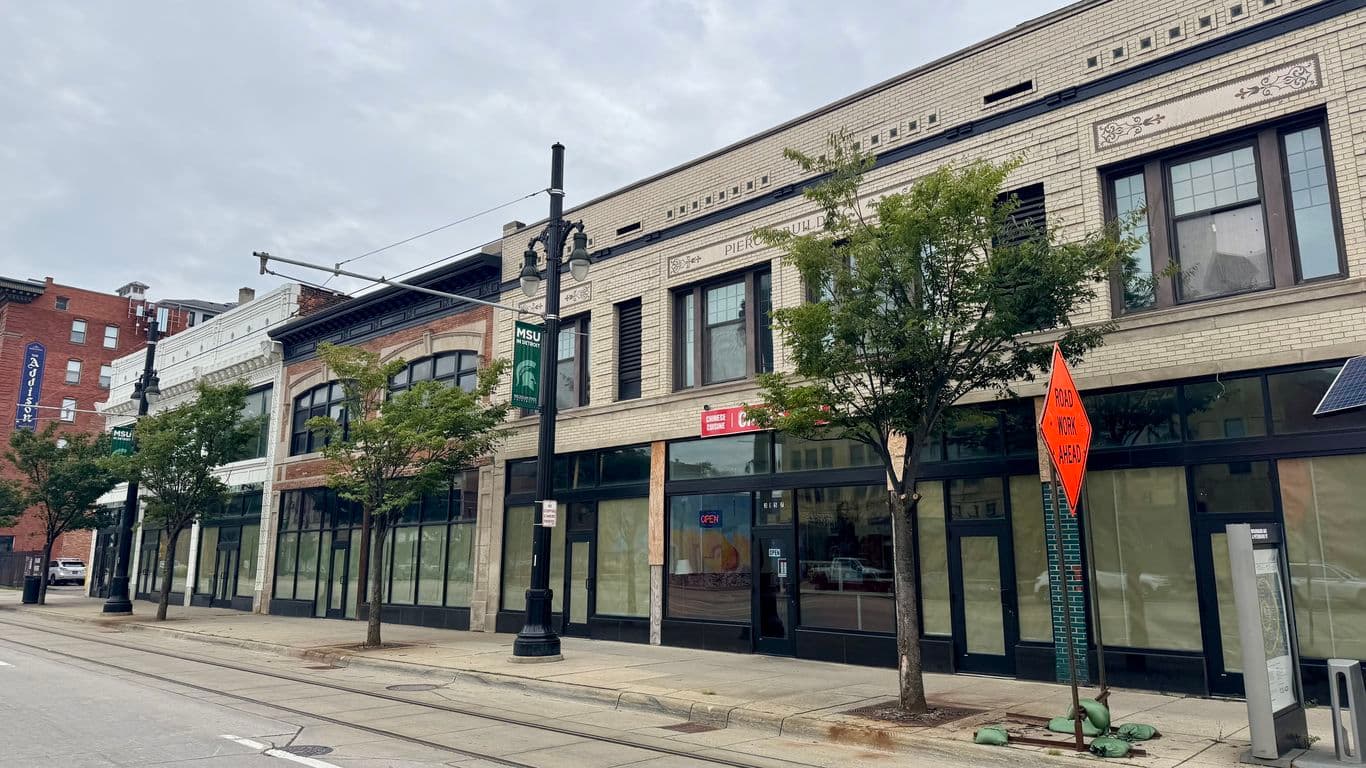
Detroit began requiring background checks on developers seeking city tax breaks on Sept. 14, adding a screening step aimed at identifying applicants with recent criminal convictions or civil judgments tied to financial misconduct.
The policy covers applicants, owners with at least a 5% direct or indirect interest, certain executives and other people identified as key individuals in companies applying for tax incentives, according to a confidential Sept. 9 memo from Detroit Corporation Counsel Conrad Mallett Jr. The reviews will examine the previous five years for criminal convictions or civil findings involving embezzlement, bribery, fraud, theft and other business integrity issues.
Applications for tax breaks are submitted through the Detroit Economic Growth Corp. and the city. Under the new process, the city can charge a fee and can require additional people to undergo checks if needed.
Findings will be provided to the Detroit City Council, which approves tax breaks. According to the memo, a negative finding will not automatically disqualify an applicant. Applicants will have the opportunity to explain the circumstances to city officials before the council considers the request.
The policy does not apply to every person or company doing business with the city. It is limited to developers seeking tax breaks for projects such as renovating older buildings and reusing vacant commercial properties.
Council member Angela Whitfield Calloway has pushed the city to add a vetting process for companies seeking incentives. In July, she questioned a proposed tax break for developer Landy Land LLC after learning that Adam Kessler, the company's registered agent, is facing an unrelated civil fraud judgment.
Kessler said in a statement that the concerns misunderstand his role in Landy Land. He said he has not had an active role with the company in more than a year, was not involved in or aware of the tax abatement application, and holds an indirect 10.5% interest. He said serving as a registered agent was an administrative role and not a sign of leadership.
Court records show the litigation involved a COVID-19 testing business venture. Kessler is appealing the civil fraud judgment.
Calloway also pointed to the city's demolition-dirt controversy as another example of the need for more due diligence, after contaminated fill was used in city projects.
Detroit needs to do better due diligence "to protect the taxpayers' dollars," Calloway said. "How many times have we missed something similar?"
Calloway plans to introduce a resolution Tuesday or next week to begin the process of making the new screening policy law.