Detroit City Council approves $2.7 million for cameras and lighting at four parks

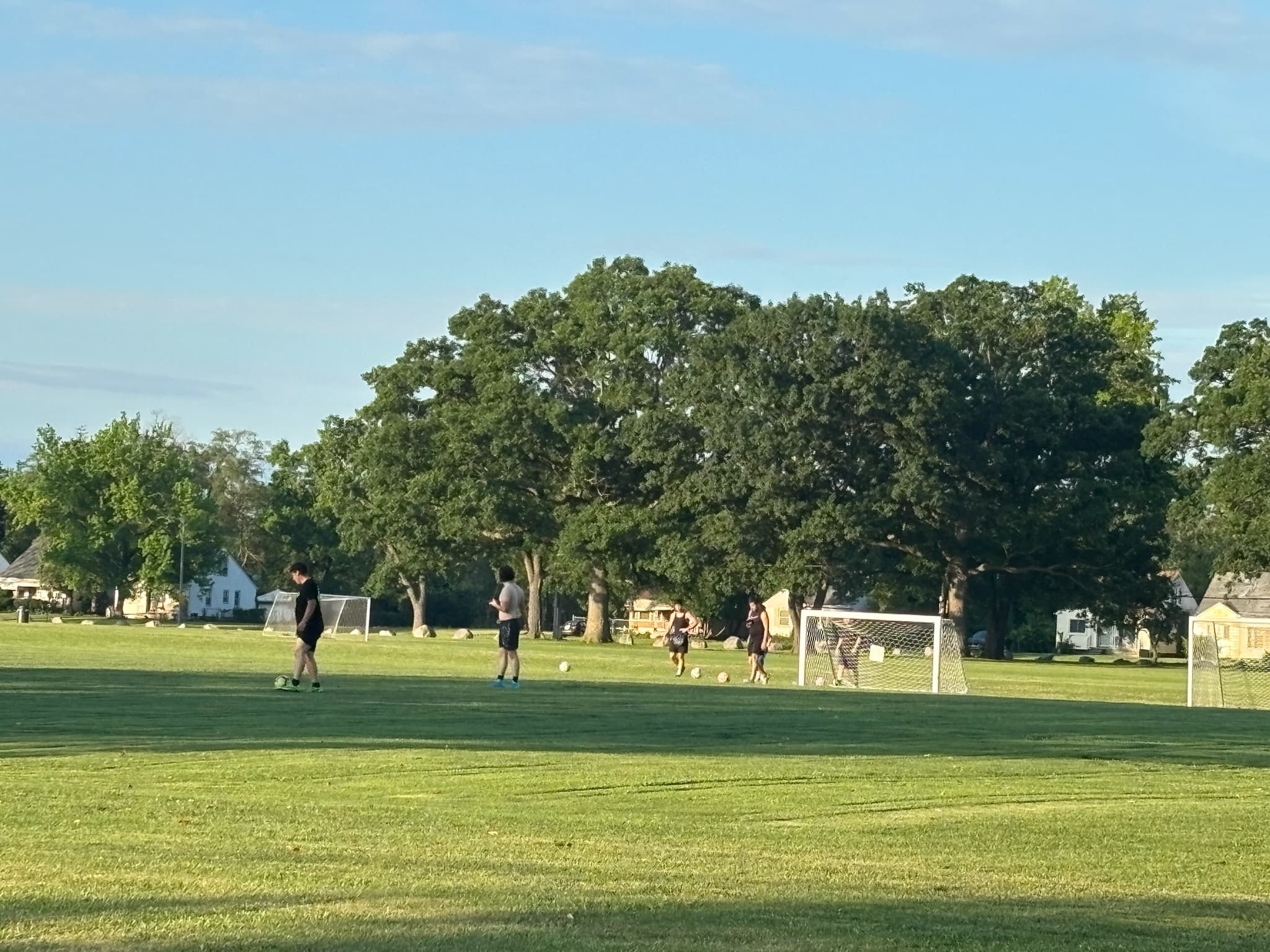
The Detroit City Council approved a three-year, $2.7 million contract Tuesday to install surveillance cameras and lighting in four city parks, answering residents’ safety concerns while adopting new reporting requirements meant to address privacy questions.
The contract with Detroit-based Bayview Electric Company LLC will add cameras and lighting along walkways in Chandler Park, Eliza-Howell Park, Maheras-Gentry Park and Rouge Park. The General Services Department said the goal is to bring consistent lighting and security to the most heavily used areas of those parks.
The department reported to Council Member Denzel McCampbell that the four parks have had more than 700 security-related interactions since 2024. McCampbell, who represents District 7, sent the department an internal memo seeking answers before the vote.
Those answers persuaded McCampbell to support the contract, though he said he remained uneasy about how far the city might move toward expanded surveillance.
“We’re going to continue the conversation on how do we make sure that folks feel safe in our public places and parks, and also make sure that we are not moving towards an increased surveillance state,” McCampbell said in an interview.
Council Member Gabriela Santiago-Romero, who represents District 6, cast the sole no vote. She said she wanted to make clear that she still had questions about increased surveillance in Detroit, pointing to the council’s earlier approval of Flock cameras for freeways and their later appearance in other parts of the city.
“It was a hard vote because I know it’s something that we’re being asked by community to support,” Santiago-Romero said.
Under the specification report presented to council through the city’s Community Input Over Government Surveillance process, the cameras will collect data on locations, vehicles and individuals at the parks. A third-party vendor will install the equipment, but the General Services Department said all data will be stored and monitored through the city’s Video Management System, which is secured by the Department of Innovation and Technology.
The department said it will follow its existing data retention policy, which holds video for no more than 30 days unless it contains criminal evidence. The cameras will also be connected to the Detroit Police Department’s Real Time Crime Center to link park operations with emergency response.
The contract bars the use of the cameras and surveillance data for traffic enforcement or immigration enforcement. It also prohibits targeting individuals for personal reasons.
McCampbell noted that the surveillance specification report did not list First Amendment activity among prohibited uses. In response, the General Services Department said its technology governance is strictly content-neutral and that public parks belong to the community for expression, assembly and recreation.
The council attached conditions intended to make the program easier for residents to track. The General Services Department must post answers to McCampbell’s memo, finalized contracts and amendments on its public website. It must also send quarterly reports to the council covering incident data, park contacts and complaints from the four parks.
Requests for access to surveillance data will be reviewed and approved by the city’s Law Department. The park cameras will also be included in annual reports on surveillance technology and use.