DDOT to install 210 bus shelters and 200 benches at Detroit bus stops through 2027

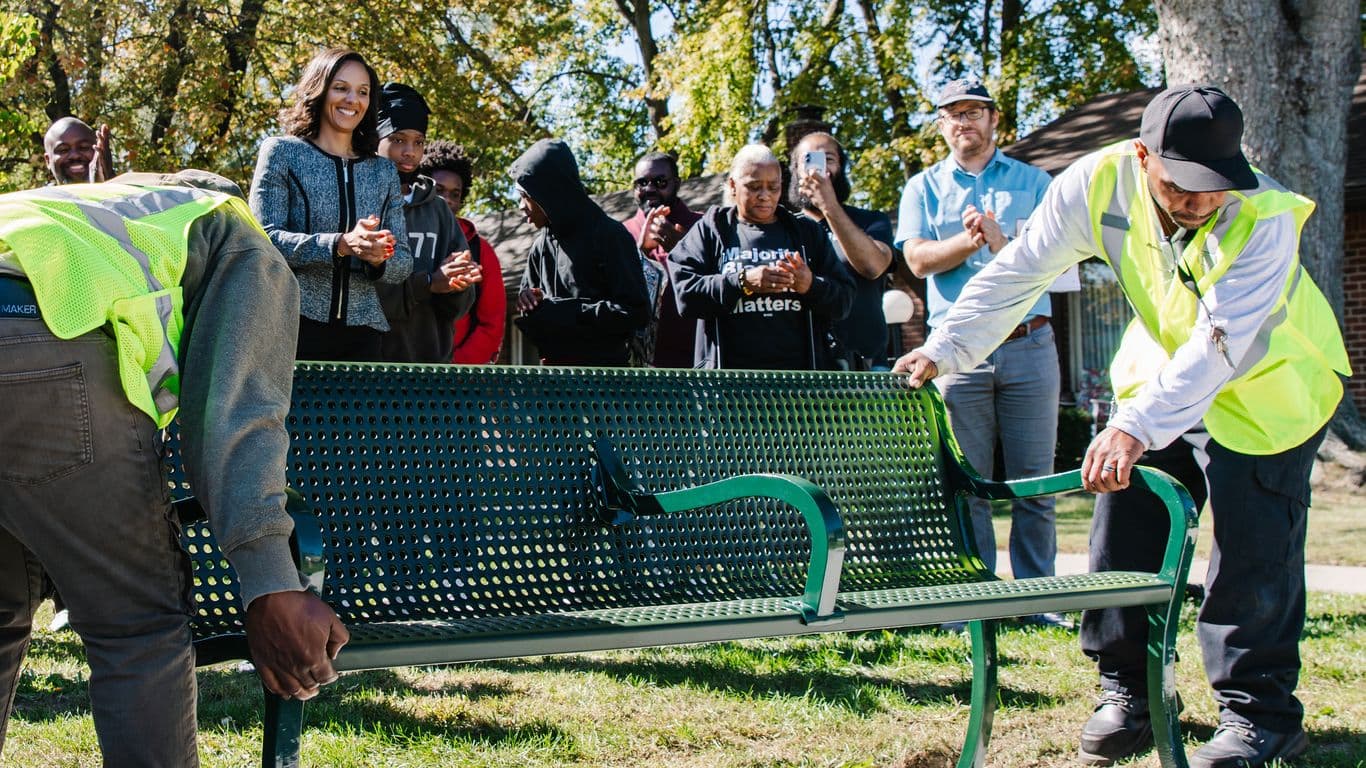
Detroit will add 210 bus shelters and 200 benches through 2027 as the Detroit Department of Transportation replaces stops where riders have had no place to sit and no cover from rain, snow, or heat.
Detroit is installing 210 new bus shelters and 200 benches through 2027, the city announced. The Detroit Department of Transportation is working to upgrade hundreds of stops where riders have lacked seating and weather protection.
City officials said the work is part of an ongoing plan to improve roughly 400 bus stops. More than 100 shelters and nearly 80 benches have already been installed, and the remaining additions will continue through next year. The city tied the work to the DDOT Reimagined plan, which seeks to improve transit service and rider conditions.
Mayor Mary Sheffield said riders have directly pressed the city for basic amenities.
"We've heard directly from riders throughout Detroit, especially our seniors, who need a place to sit while they wait for their rides," Sheffield said at a Monday press conference.
Robert Cramer, executive director of transit, said a new shelter averages about $50,000, while a bench averages about $15,000. Federal, state and city general fund dollars are paying for the installations, according to a city news release.
The new shelters include solar lighting and USB charging ports. Cramer said those features are meant to make waiting for a bus easier.
The additions come after analyses showed Detroit had a severe shortage of sheltered stops. BridgeDetroit reported that as of last year only about one in 20 bus stops in Detroit had shelters, with 228 shelters out of more than 5,000 stops. Even fewer, about 1.5%, had benches. A transit advocate's analysis using city data found seating at about 5% of stops.
At the time, DDOT said the figure was misleading because more than a quarter of bus boardings happen at sheltered stops. City officials still acknowledged that the percentage of stops with shelters or seating was low.
Cramer said recent data shows the difference shelters make: average sheltered stops get 44 boardings a day, while stops without shelters get seven.
As part of DDOT Reimagined and as funding allows, the department aims to move 75% of passenger boardings to sheltered stops.
Cramer said the city uses a scoring system to decide which stops are suitable for a shelter or bench. Wait times and frequency are part of that calculation, he said. Bus frequencies vary by route and time of day, from less than 10 minutes to more than an hour.
The city has already placed shelters and benches across Detroit, with several new shelters added along East Jefferson as part of a pilot project aimed at improving rider experience, timeliness and safety at high-volume stops.
Transit advocates welcomed the installations but said more work is needed.
Transit advocate Renard Monczunski said he has seen riders waiting on makeshift seating.
"[After] seeing bus riders sit on all sorts of stuff, crates, buckets and everything, it shows that this administration cares and affirms that transit is a top priority," Monczunski said at the event.
Michael Cunningham, a DDOT ambassador who said he has invisible disabilities and experiences sharp pains, said he remembers broken benches and shelters from more than a decade ago and having to sit on the ground or lean on poles and buildings.
"It was a bad situation over a decade ago," Cunningham said. He praised the announcement but said there is room for improvement.
Joel Batterman, campaigns manager for Transportation Riders United, said riders need a place to sit and a place to take cover.
"Folks should have a place to sit, a place to take cover from the elements, when they're waiting for the bus," Batterman said. "Ideally, they don't have to wait very long, 15 minutes or less is ideal, but when they do need to wait, it's important to have that dignity that's afforded by benches and shelters, as well as accessible paths so folks with disabilities are able to safely get on and off the bus."
The shelter effort follows other recent changes to Detroit's bus system, including new boarding platforms along Jefferson Avenue, better pay for drivers and mechanics, and the addition of new buses. The rate of buses arriving on time is still below industry standard, and riders continue to face delays.
DDOT will also receive a new funding stream after Wayne County voters passed a public transit millage in August.
Cramer said the city hopes the current round of improvements can be used as a model for expanding bus stop upgrades in the future.
The city has not announced specific completion dates for individual shelter and bench installations. The full program is expected to run through 2027.