Straw Crest Moth Found in Traveler's Luggage at Detroit Metro Airport, a US First
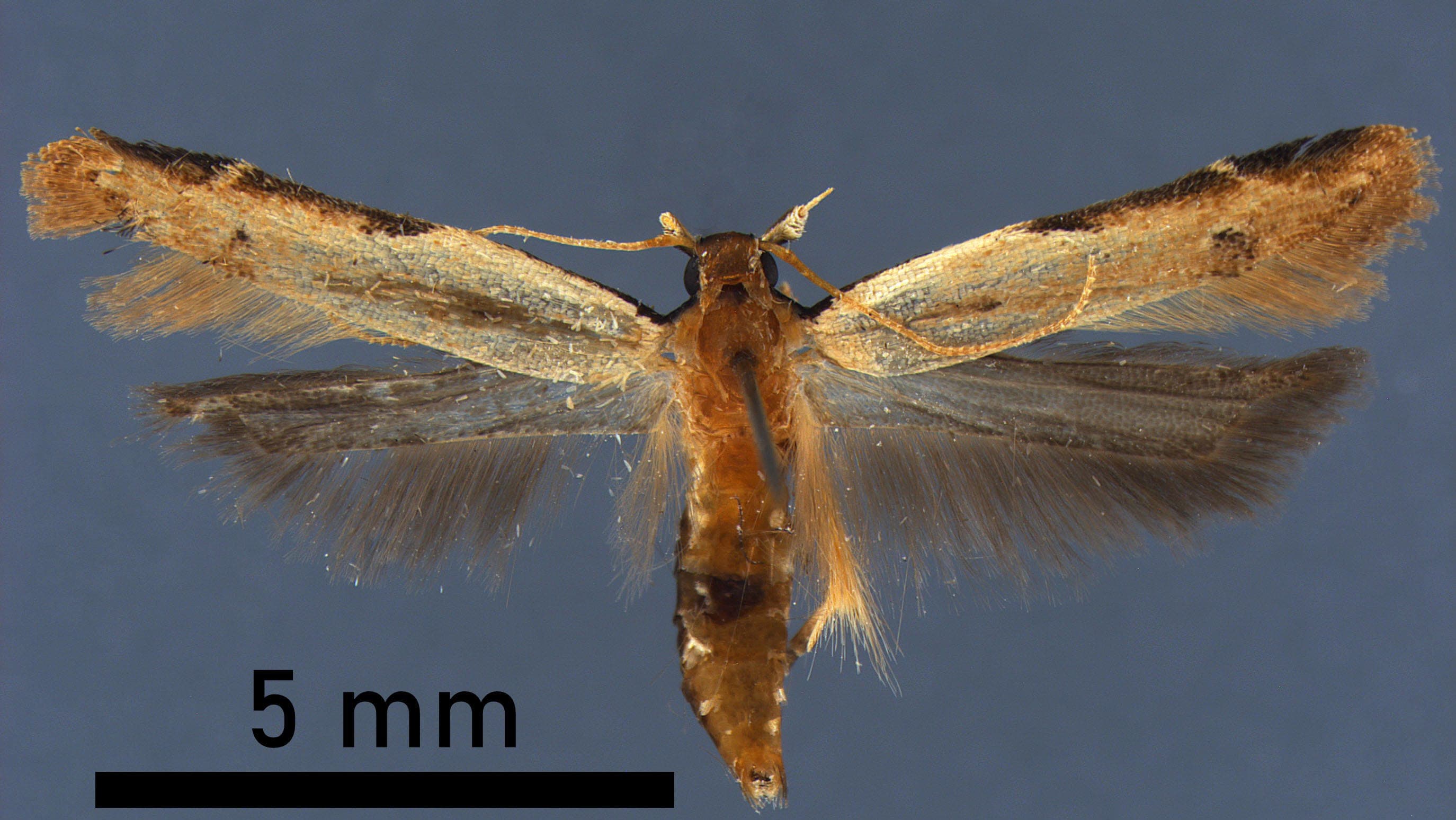
A moth that has never been recorded entering the United States turned up in a bag of corn and seeds at Detroit Metropolitan Airport, and it took federal officials seven months to confirm just how unusual the find was.
U.S. Customs and Border Protection said an agriculture detector dog alerted officers in January to luggage belonging to a traveler arriving from Ghana. When officers opened the bag and searched through the corn and seeds packed inside, they found a small, winged insect. U.S. Department of Agriculture specialists identified it as a non-native straw crest moth, known scientifically as Mesophleps silacella, and confirmed that identification on Aug. 12. Records show it was the first time the species had been intercepted at any U.S. port of entry.
CBP announced the finding on Sept. 1, months after the actual discovery. The delay reflected the time the USDA needed to run species-verification testing on the moth.
"This first-in-the-nation interception demonstrates how thoroughly our agriculture specialists search items entering the United States to identify and stop potential pests," said Fadia Pastilong, CBP's port director in Detroit. "I'm proud of the work our agriculture specialists here do every day, which includes the interception of hundreds of pests each year that could threaten the U.S. agriculture industry."
The traveler, a citizen of Ghana, was told about federal agricultural import requirements and released without further penalty, according to CBP.
The straw crest moth lives in Europe and parts of Africa, where it feeds on plants in the rockrose family. It belongs to the gelechiid family, a group that includes roughly 4,700 known species worldwide, some of which are considered serious agricultural pests. In their native ranges, many of these insects cause little damage because local predators and natural plant defenses keep their numbers in check. Marty Raybon, CBP's director of field operations in Detroit, said that balance is exactly what agriculture inspections are meant to protect.
"Declaring food and agricultural items isn't just a formality," Raybon said in a statement. "It's our first line of defense against threats that can devastate our crops, compromise our food supply, and destabilize our economy."
That risk is why a single moth found in a suitcase gets escalated to USDA scientists instead of being dismissed at the checkpoint. Without the predators and resistant plants that limit the species where it comes from, an insect like the straw crest moth could spread unchecked if it established itself in a new environment. It could feed on related plant species already present in North America.
The moth is the latest in a string of insect interceptions at Detroit Metro Airport over the past few years. CBP officers seized the remains of an invasive grain beetle from South Asia at the airport in April 2025, after finding a similar specimen there in 2023. In February, officers intercepted an African bark beetle in a traveler's belongings during a routine inspection. In June, officers found fresh cherries infested with European cherry fruit fly, another species not established in the U.S.
CBP agriculture specialists say they intercept hundreds of pests annually at the airport, most of them caught during the same kind of routine baggage inspections that turned up the moth in January. The agency did not say whether the straw crest moth specimen led to any additional screening measures for luggage arriving from West Africa, and no further cases involving the species have been reported since the January interception.
The USDA's confirmation on Aug. 12 closed out the identification process for this particular moth. CBP said its agriculture specialists continue routine screening of incoming flights at Detroit Metro Airport, with detector dogs trained to flag agricultural products in passenger luggage.