Ionia County Resident Tests Positive for Swine Flu After Kent County Youth Fair
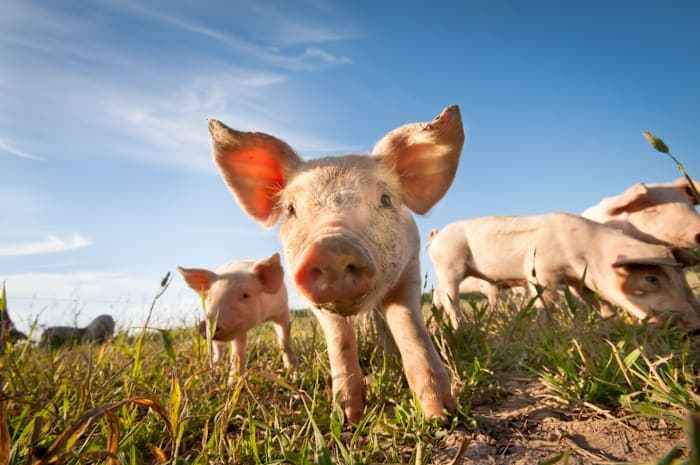
State and local health officials confirmed a human case of H1N2 variant influenza in an Ionia County resident who showed pigs at the Kent County Youth Fair, and the Kent County Health Department and MDHHS are now contacting other exhibitors who visited the swine barns.
An Ionia County resident who exhibited swine at the Kent County Youth Fair has tested positive for H1N2 variant influenza, commonly called swine flu, according to the Michigan Department of Health and Human Services.
The fair ran Aug. 3-8 at the Grand Agricultural Center of West Michigan in Lowell. The resident first tested presumptive positive at the MDHHS Bureau of Laboratories, and the Centers for Disease Control and Prevention confirmed the result on Aug. 14.
The Kent County Health Department and MDHHS are now contacting other swine exhibitors and their families who visited the fair's swine barns to find out whether anyone else developed symptoms after possible exposure to infected pigs. The Kent County Health Department has also told area health care providers to watch for patients who show up with respiratory symptoms and mention exposure to swine or attendance at the fair.
Swine can carry flu viruses that differ from the strains that typically circulate among people. Infections in humans are uncommon, but the viruses can jump from pigs to people, mainly through respiratory droplets when an infected animal coughs or sneezes. There is no human vaccine made specifically for swine flu, and the seasonal flu shot does not protect against it. Antiviral drugs such as oseltamivir and zanamivir can treat the infection, and MDHHS says starting treatment early matters most for people who face a higher risk of complications.
Symptoms of variant influenza look a lot like seasonal flu: fever, cough, runny nose, body aches, nausea, vomiting and diarrhea. In some cases the infection turns into something more serious, including pneumonia or hospitalization, and rarely, death. Children under five, adults 65 and older, pregnant people, and anyone with certain chronic conditions or a weakened immune system face the greatest risk.
MDHHS says the time between exposure and the onset of illness can stretch up to 10 days, though most people who get sick start showing symptoms within about three days of contact with an infected pig.
Variant flu cases linked to fairs have occurred elsewhere in the Midwest in past years. MDHHS says the virus does not typically spread easily from person to person, and that is why the Kent County Health Department and MDHHS are focusing their outreach on people who had direct contact with pigs at the event rather than the general public.
MDHHS is urging anyone who attended the fair or plans to visit other livestock exhibits this summer to take some basic precautions. The agency recommends avoiding food and drink inside barns or show rings, and keeping items like pacifiers, bottles, cups, toys and strollers away from pig pens. People who fall into a higher-risk category, including young kids, older adults and pregnant women, should stay out of swine barns altogether. MDHHS also says the seasonal flu shot, while it won't stop swine flu, still protects against the seasonal strains that circulate every year and is worth getting.
The Kent County Health Department and MDHHS are also asking fairgoers to wash their hands often, avoid touching their eyes, nose and mouth, cover coughs and sneezes, and steer clear of anyone who's visibly sick. Anyone who develops flu-like symptoms should stay away from pigs entirely. The recommended waiting period before returning to contact with swine is seven days after symptoms start, or until 24 hours have passed without a fever and without the use of fever-reducing medication, whichever stretch is longer.
The Kent County Health Department and MDHHS said they will keep monitoring for additional illnesses tied to the fair and to any swine exposure connected to it. No timeline has been given for when that monitoring period will end, and officials have not said whether any other suspected cases have surfaced since the confirmation. Anyone who attended the fair's swine barns and later developed respiratory symptoms is being asked to contact their health care provider and mention their exposure.